Before the First Bell: What 7 A.M. Classrooms Say About Ambition, Sleep, and the American High School
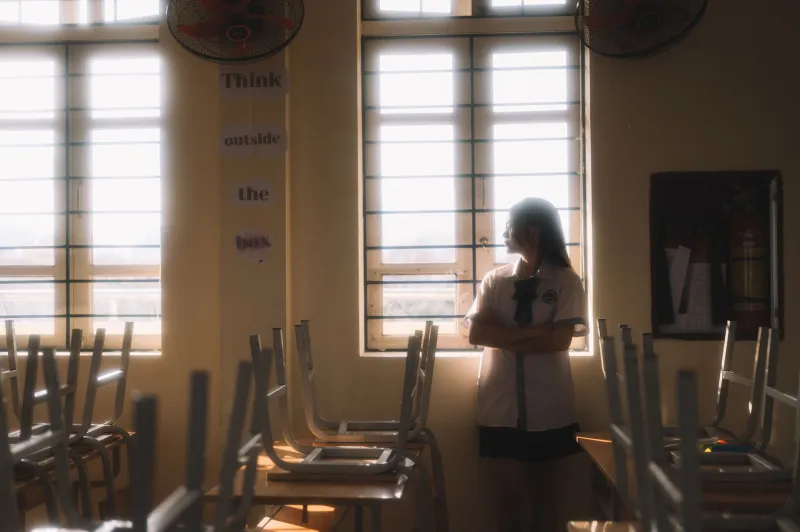
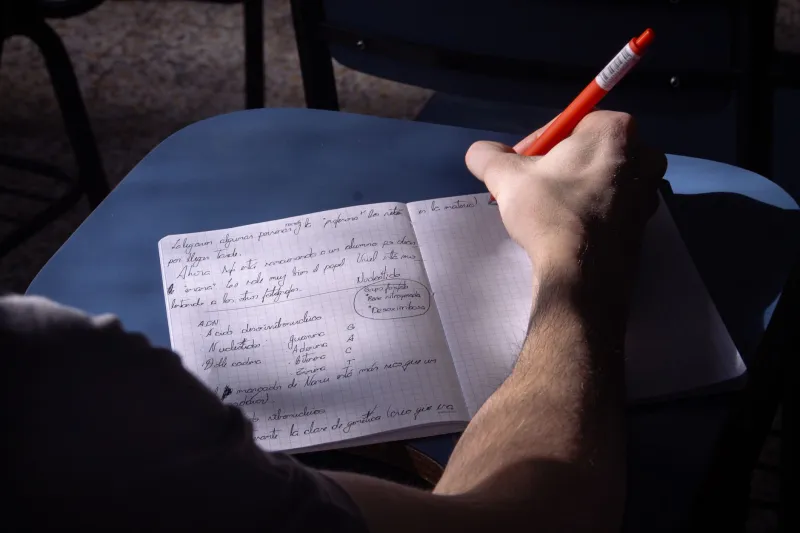
At 6:47 on a Tuesday morning, the hallways of a typical American high school are empty, the lights half-dimmed, the building still shaking off sleep. Except in one room, where twenty-odd students are already seated, notebooks open, working through a jazz band warm-up, an AP Government seminar, or a weight-training block that doesn't fit anywhere else in their schedule.
This is zero period — the class that happens before first period. And across the country, it's quietly becoming one of the most interesting experiments in how American students structure their day.
Why Schools Started Opening Early
Zero period exists for a fairly simple logistical reason: the master schedule is a puzzle, and some pieces don't fit. A student who wants band, AP Physics, journalism, and a foreign language will hit scheduling conflicts. An optional class before first bell adds a seventh slot to a six-slot day.
But schools have discovered a second benefit along the way. For students with jobs, athletics, or long bus rides, zero period can be the only realistic way to take an elective or an advanced course at all. Rural districts use it to offer classes they couldn't otherwise staff. Overcrowded suburban schools use it to relieve pressure on peak hours. What started as a scheduling hack has become, for some students, the difference between taking the class and not.
Who Signs Up for 7 A.M. Learning
The zero-period population tends to be a recognizable mix. There are the ambitious kids stacking AP courses and extracurriculars for college applications. There are the performers — band, orchestra, theater — whose programs simply need more time than the school day allows. And there are the student-athletes, for whom early practice is often non-negotiable.
Ask the students themselves and you'll hear a split verdict. One senior described it as "the best worst decision I've made" — brutal to wake up for, but it freed up a period that let her take both an internship block and a fourth AP class. A junior on the swim team put it more bluntly: the 5:30 alarm is "just part of the deal," and he'd rather have the class than the extra hour of sleep he says he'd waste on his phone anyway.
Not every early starter is a volunteer, though. Some students get assigned to zero period when their schedules overflow, which changes the mood in the room considerably.
The Sleep Question We Can't Ignore
Here's the tension, and it's a real one: adolescent sleep science is not on zero period's side. The American Academy of Pediatrics has recommended later school start times for teenagers for years, precisely because teen circadian rhythms shift later — most high schoolers genuinely aren't built to learn at 7 a.m. Critics worry that optional early classes quietly ratchet up expectations until what's optional becomes de facto required for any competitive college resume.
That criticism deserves to be taken seriously. An opportunity that only works for students who can afford to sacrifice sleep — or who have a parent driving them at 6:30 — isn't equally available to everyone.
Making the Early Start Work
For students considering zero period, the difference between a hidden opportunity and a burnout trap usually comes down to a few practical habits:
- Protect sleep on the back end. If the wake-up moves to 5:45, bedtime has to move earlier. A consistent schedule matters more than the exact hour.
- Keep the zero period class something you'd choose. Electives and subjects you love make early mornings dramatically easier than a required course you dread.
- Watch the load. Zero period plus after-school practice plus homework is a full day. If the first period after zero period becomes a zombie hour, that's a signal to rebalance.
- Use the afternoon windfall. The freed-up period is the whole point. Wasting it on a study hall spent scrolling defeats the purpose.
Zero period isn't going away — if anything, it's growing. Whether it's a smart expansion of what a school day can hold or just one more way ambitious students run themselves ragged depends less on the clock than on how deliberately they use the hours it buys back.