When the School Doors Close: What Snow Days Taught Us About Learning Anywhere
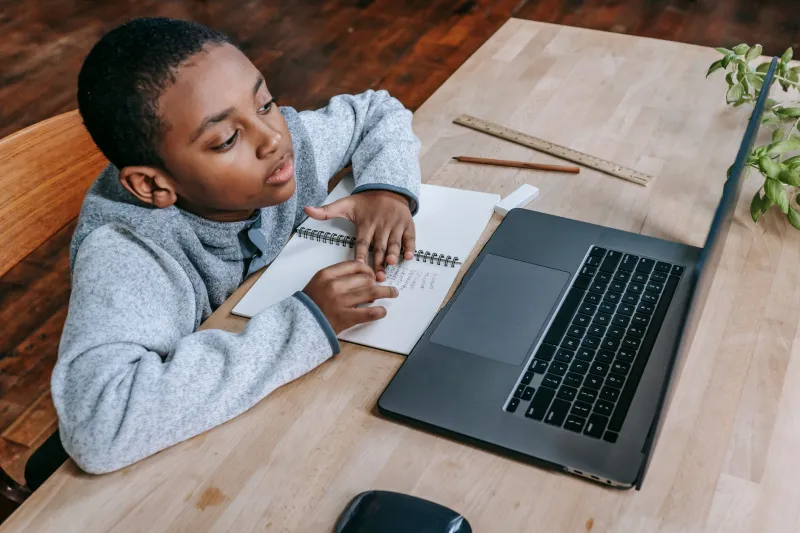
Every American student has a snow day story. The 6 a.m. phone alert, the frantic check of the district's website, the pure electric joy of a free Tuesday in February. But somewhere between the polar vortex winters and the pandemic, something shifted: the snow day started coming with a login link.
Emergency closures are now a fact of life across the country — snow in Minnesota, hurricanes in Florida, wildfire smoke in California, heat waves that turn un-air-conditioned buildings into ovens in early September. And each one has been a massive, unplanned experiment in a question that actually matters year-round: what can learning look like when the building isn't available?
The Great Improvisation, Reviewed
Talk to educators who've lived through multiple closure pivots and a pattern emerges fast. The strategies that worked were almost never the elaborate ones.
What worked:
- Asynchronous packets with a live check-in. Districts that sent home a simple menu of tasks — a reading, a problem set, a writing prompt — plus one 20-minute video call in the morning consistently reported better follow-through than districts running a full bell schedule on Zoom.
- Recorded mini-lessons over live lectures. A ten-minute video a student can pause, rewatch, and access without bandwidth drama beats a 50-minute live session that half the class misses because a parent's schedule doesn't care about the bell schedule.
- Low-tech fallbacks. The schools that thrived were the ones that assumed, correctly, that some students would share devices, share rooms, and share wifi with three siblings.
What flopped:
- The full-day livestream mirroring the regular schedule. Attendance cratered by afternoon, every time.
- Assigning brand-new material during a closure. Panic and confusion are not a learning environment.
- Anything requiring a printer. Just — no.
The takeaway is almost anticlimactic: flexibility beats fidelity. The goal on a surprise day off isn't to recreate school. It's to keep one thread of momentum alive so re-entry doesn't hurt.
Why This Matters When There's No Snow in the Forecast
Here's the part most families miss. The same playbook that rescues a surprise closure works for the everyday disruptions that actually eat a school year: the sick day, the family trip, the appointment that swallows an afternoon, the kid who's home with a sprained ankle for two weeks.
Students who already know how to learn outside the classroom lose days to these things. Students who don't lose weeks, because every absence comes with a re-entry tax — the confusion, the missing notes, the feeling of being behind that makes returning even harder.
Build the Learning-Anywhere Kit
You don't need much. That's the point. Here's a lightweight kit, assembled once, that turns any disruption — weather, illness, or otherwise — from a setback into a speed bump.
1. A single catch-all folder (physical or digital). Every subject's current assignments, the syllabus, the class codes. One place, updated on Sundays. The hunt for "what am I even missing" is where most lost days actually die.
2. Two teacher contact routes. Email plus whatever platform the school uses. Kids should know how to ask a teacher a question remotely before they need to — most have never practiced it, and it shows.
3. A 25-minute default routine. When in doubt, do one focused 25-minute block on the hardest subject, then stop. That's the whole routine. It's small enough to actually happen and big enough to keep a thread alive.
4. Offline backups. A novel, a workbook, flashcards, a notebook. Wifi goes down exactly when you need it most. The kit that works offline is the kit that works.
5. One anchor time. A consistent daily slot — say, 10 a.m. — when learning happens no matter what the day looks like. Structure is the scarcest resource on a disrupted day; pre-deciding one anchor buys it cheap.
The Real Lesson of the Screen Day
Districts that handled closures best weren't the ones with the slickest tech. They were the ones whose students already had habits that traveled — routines, contact points, a sense of what "a day of learning" looks like in miniature.
That's the quiet gift of America's snow days and heat days and smoke days. They proved that school isn't a building; it's a rhythm. And rhythms, unlike buildings, fit in a backpack.
The next closure is coming — it always is. The families who treat it as a blip, not a break, are the ones with the kit already packed.