The First Ten Minutes: Five Opening Routines Teachers Swear By
Here's an opinion I'll defend in any teachers' lounge in America: the first ten minutes of class matter more than the last forty. Students walk in carrying the drama of the hallway, the leftovers of lunch, and the emotional weather of their morning. Whatever ritual you establish in those opening minutes isn't just classroom management — it's the daily reset button. And the best part? The routines below cost almost nothing to set up, but they compound like interest over a full school year.
1. The 'Yesterday in One Sentence' Recall
Time cost: 3–4 minutes
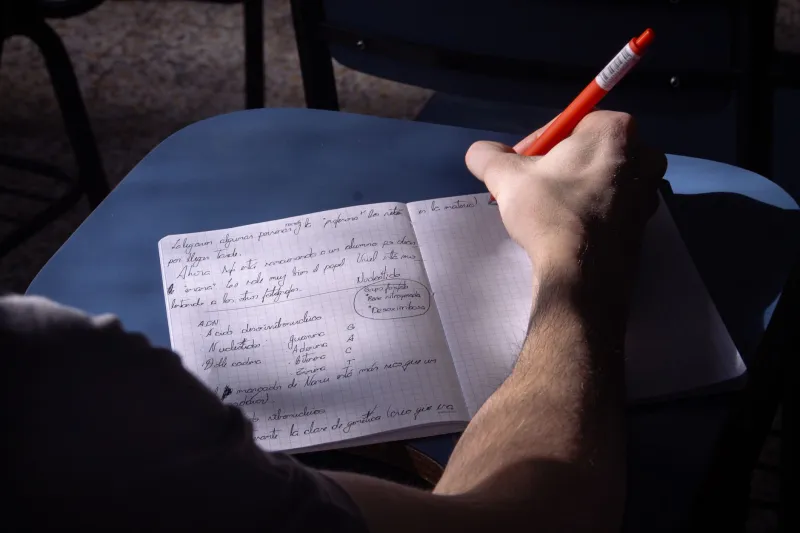
Before students open a book, they write exactly one sentence summarizing the previous class. On a sticky note, in a notebook, on the board — format doesn't matter. The constraint does.
Why it works: Retrieval before instruction is one of the most reliably effective moves in the learning-science playbook. Summarizing forces students to decide what mattered, which is a different skill than copying notes.
Setup tip: Keep a jar of sticky notes by the door. By October, students will do this on autopilot — you won't even have to announce it.
2. The Two-Question Warm-Up Poll
Time cost: 2 minutes
One content question (yesterday's material), one human question ("Would you rather fight one horse-sized duck or a hundred duck-sized horses?" — you know the genre). Quick show of hands, Google Form, or sticky dots on the door.
Why it works: The content question is another retrieval rep. The human question is not filler — it tells reluctant students their voice belongs in the room before any academic risk is asked of them.
Setup tip: Batch-write a week of polls on Friday. Future-you will send thank-you notes.
3. Silent Starter on the Board
Time cost: 5–7 minutes
A single problem, quote, or image on the board before students enter. No directions needed beyond "start when you sit." Pencils move before the bell finishes echoing.
Why it works: It eliminates the dead zone where side conversations are born. It also buys you three minutes to take attendance, greet kids at the door, and handle the hundred small logistics of teaching.
Setup tip: Write tomorrow's starter before you leave today. The routine only works if it's waiting when they arrive — not appearing while they wait.
4. The One-Word Check-In
Time cost: 2 minutes
Everyone (yes, including you) says one word describing how they're arriving today. No explanations, no judgment, no follow-up required.
Why it works: This one gets dismissed as soft, and that's a mistake. You can't calibrate instruction to a room you haven't read. A chorus of "tired" before a big test changes your plan for the period — and it should.
Setup tip: Go first yourself. A teacher who says "exhausted" on a Monday gives students permission to be honest, not performative.
5. The Two-Minute Preview Roadmap
Time cost: 2 minutes
Before diving in, sketch the period on the board: what we're doing, why it matters, where it's headed. Three bullet points, tops.
Why it works: Anxiety thrives on ambiguity. Students who know the shape of the class spend less energy bracing for surprises and more energy on the actual content. It's the classroom equivalent of a map at a theme park entrance.
Setup tip: Use the same visual format every day. Predictability is the feature, not the bug.
The Math of Doing This All Year
Run the numbers. Four minutes of daily retrieval, multiplied across a typical 180-day school year, is roughly twelve hours of built-in review — without adding a single minute to the school day. Compare that to the usual alternative: a frantic review week before finals, where students re-encounter material they barely remember.
The rituals that survive a full year aren't the elaborate ones. They're the ones that take less energy to keep than to skip. Pick one — just one — and run it for two weeks straight. Then stack the next.
The first ten minutes will pass either way. The only question is whether they work for you or against you.