Let's Talk About Why American Kids Get Three Months Off — and Who That Break Is Actually Helping
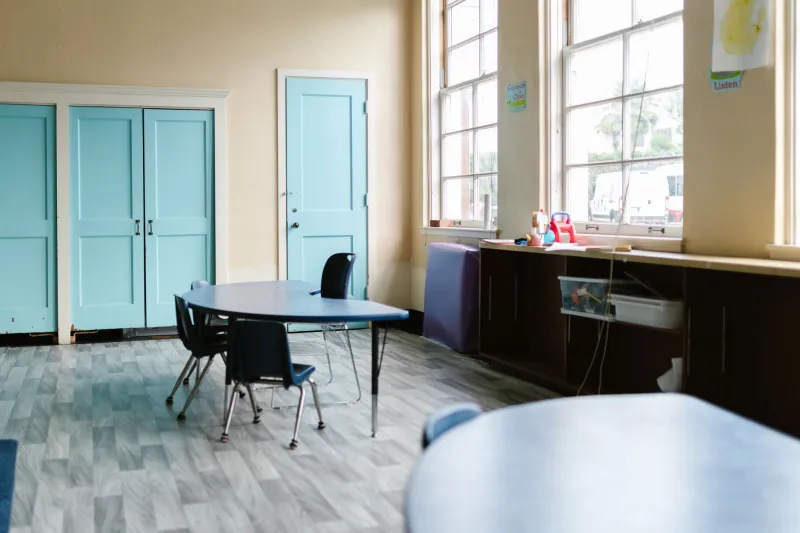
Here's a fun experiment: ask any American teacher what happens in September, and watch them sigh.
They'll tell you about the first weeks of school spent reviewing material students knew cold in May. They'll describe the gap between kids who spent summer at enrichment camps and kids who spent it in front of screens because both parents work. They'll tell you that by October, they're often re-teaching last spring.
We've named this phenomenon. We've measured it for decades. And we've done approximately nothing about it.
A Calendar Built for 19th-Century Farms
The popular story goes that summer break exists because kids once needed to help with the harvest. The truth is a bit weirder: in rural areas, school ran summer and winter, skipping the planting and harvesting seasons. Urban schools in the 1800s actually met year-round until reformers — many motivated by concerns about overheated, poorly ventilated classrooms and a growing belief that wealthy families' summer retreats were good for children — pushed for standardization.
In other words, the modern American summer vacation isn't a carefully designed feature of our education system. It's a fossil. And we've built an entire $18 billion summer economy — camps, travel, childcare gymnastics — on top of it.
The Slide Is Real, and It's Unequal
Researchers have documented the "summer learning slide" since at least the 1970s, when Johns Hopkins researchers found that students' achievement test scores flatlined or dropped over summer months. Later studies suggested the effect compounds: some analyses attribute a meaningful share of the achievement gap between low-income and higher-income students to differential summer learning loss.
The pattern is brutally simple. Families with resources fill summer with travel, tutoring, and programs. Families without them often can't. School is the great equalizer in American life — and we shut it down for a quarter of the year.
(Caveat worth noting: some newer, large-scale studies suggest the slide may be smaller than older research claimed, and that testing methods inflated it. But even the skeptics don't argue summer break produces learning gains for most kids.)
Year-Round School Already Works Here
Before anyone pictures miserable children in school in July: "year-round schooling" in the US mostly doesn't mean more school days. It means redistributing the same 180 days into shorter, more frequent breaks — a model called balanced scheduling.
California offers real-world evidence. Districts in the Los Angeles area adopted year-round calendars decades ago to manage overcrowding, and schools using the model saw benefits ranging from reduced summer loss to less teacher burnout. Around the country, districts in Utah, North Carolina, and Arizona run modified calendars, and parents in those communities largely report satisfaction once they adjust.
The most promising variants pair the balanced calendar with intersession programs — voluntary enrichment and tutoring during the shorter breaks — which directly target the students who lose the most over long gaps.
The Honest Objections
Let's steelman the other side, because this debate deserves it.
Summer break is woven into American childhood: family road trips, camp friendships, teenage summer jobs (which, notably, some economists worry a year-round calendar would disrupt). Switching calendars costs money — air conditioning retrofitting in older buildings is a genuine expense. Teachers' unions and parents' groups have organized against calendar changes in districts across the country. And the research on year-round models' academic benefits is, frankly, mixed; the strongest gains appear in low-income schools, not across the board.
Fair enough. But "change is hard and evidence is nuanced" is an argument for piloting smarter calendars, not defending a structure invented before the lightbulb.
What a Smarter Calendar Looks Like
Nobody's proposing kids lose their childhoods to algebra in July. A reasonable version looks like this:
- Same 180 instructional days, arranged in quarters with two-to-three-week breaks between them
- A shortened summer of four to five weeks instead of eleven
- Funded intersession programs — real ones, staffed and free — targeting the students who need them most
- Local control, with districts choosing models that fit their communities
The Case for Every Day Counting
We named this site Academic365 for a reason. Learning doesn't switch off in June, and pretending it does costs us — in re-teaching, in widening gaps, in kids who start every fall a little further behind than they ended the last spring.
The agrarian calendar is a relic we keep because it's familiar. American schools have reinvented everything else in the last century: the curriculum, the technology, the lunch menu (for better and worse). It's time to reinvent the calendar too — not to make school harder, but to make it human-sized, with rest that's frequent enough to actually be restorative.
Summer isn't sacred. Kids are. Let's build a school year that acts like it.